

Chronic Pain
Management
When pain has been present for a long time, your system begins to organize around it. This work helps you relate to sensation differently - so pain has less influence over how you move through your day.
Understanding Pain in a New Way
When pain has been present for a long time, your system begins to organize around it.
You may notice:
- your body bracing before you move
- your attention drawn toward the sensation
- your mind anticipating when it might return
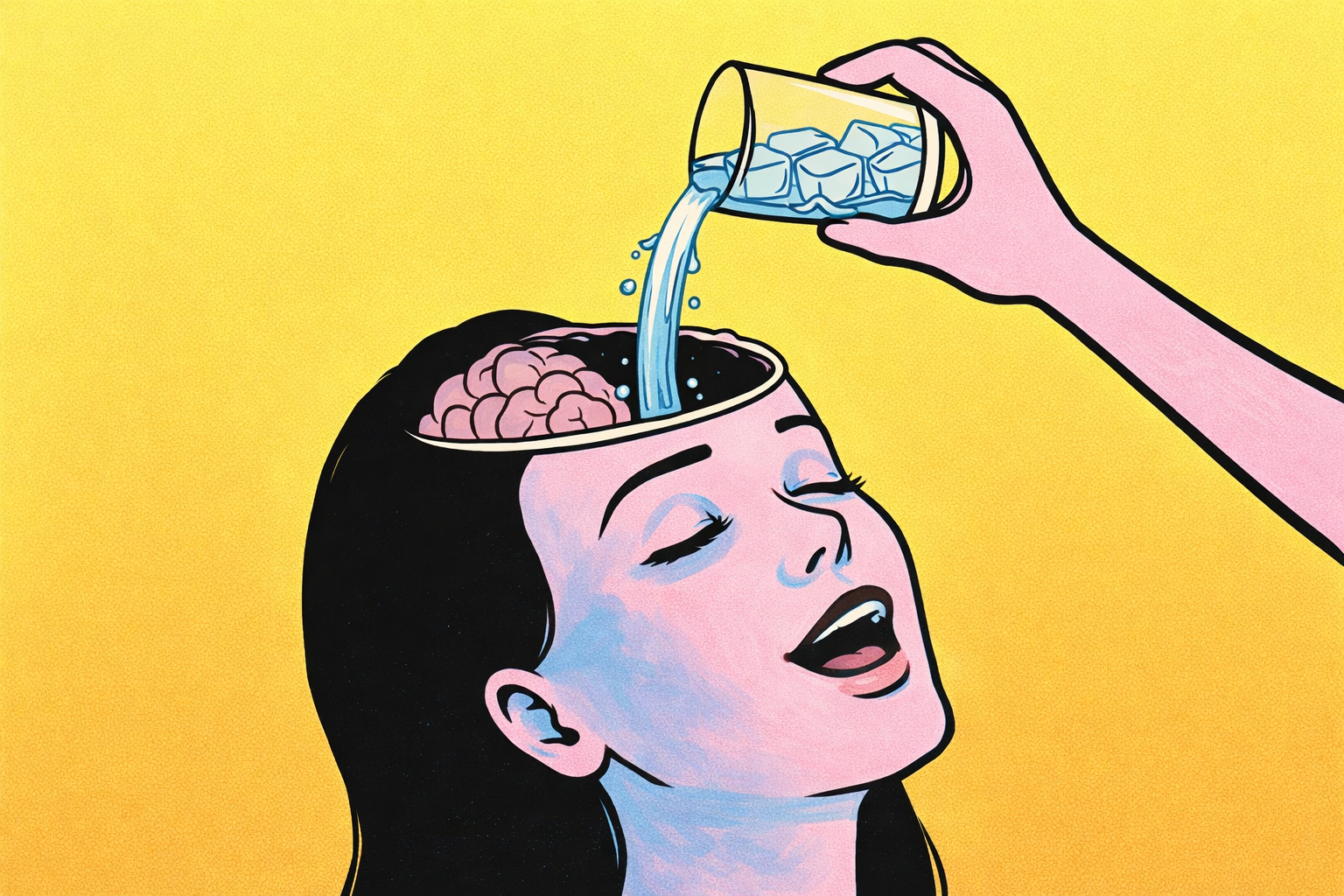
There is the pain that serves a purpose…
And then there is the added tension, focus, and anticipation that can intensify it.
That second layer is something your system has learned to do.
And it can learn something different.
A Personal Understanding
I’ve lived with ongoing pain for decades.
I understand what it’s like to move through life with a body that doesn’t always feel reliable-planning around how you might feel, adjusting constantly, and carrying the emotional weight that comes with long-term discomfort.
When I began working with my own mind and nervous system-learning how to shift focus, calm the body, and change how I responded to sensation-my experience began to change.
Not because everything disappeared…
But because I was no longer experiencing it in the same way.
That’s the work I now share.
What This Service Helps With
This work focuses on the patterns that often build around pain.
- Nervous system activation and constant alertness
- Physical tension that doesn’t fully release
- Emotional overwhelm connected to long-term discomfort
- Sleep disruption and difficulty fully resting
- Anticipation and fear around flare-ups
- Feeling disconnected or unfamiliar in your own body
This is about working with the layers that amplify discomfort, so your system can return to more ease and regulation.

Who This Is For
This work is for people living with ongoing physical discomfort who want a different relationship with how their body feels day to day.
You may be navigating:
- chronic back pain, migraines, fibromyalgia, nerve pain, or IBS-related pain
- tension or stress-related physical symptoms
- medically complex or long-standing conditions
You may already be doing many of the right things-medical care, physical treatments, lifestyle adjustments-and still feel like pain has too much influence over your life.
This work meets you where you are.
How Sessions Work
This is not a fixed protocol. Each session is shaped around your system, your experience, and how your body responds.
We Begin with Your Experience
We talk about what is actually happening for you right now-physically, emotionally, and in daily life. This shapes everything we do.
Guided Work with Your Nervous System
Using integrative hypnosis and mind-body techniques, we work with how your system is processing sensation and response.
This may include:
- reducing intensity and overwhelm
- shifting focus and perception
- calming nervous system activation
- creating internal experiences of comfort or ease
We also work with how these patterns connect across time-how present experience links with memory and anticipation-so change can ripple through the system more fully.
Tools You Can Use on Your Own
You’ll learn practical self-hypnosis and regulation tools so you can support your system between sessions.
These may include:
- calming techniques for flare-ups
- self-hypnosis for nervous system reset
- ways to shift attention and internal response
So you are not only experiencing change in session-you are able to continue working with your system in daily life.
Possible Benefits & Outcomes
Every experience is different, but clients often report:
- Reduced intensity of discomfort
- Improved sleep quality
- Less emotional reactivity around pain
- Greater ease during flare-ups
- Increased sense of control over internal experience
- A calmer, more cooperative relationship with the body
Available In-Person & Online
Sessions are available online, from your own comfortable environment, or in-person based on availability and location. Many clients working with ongoing pain prefer online sessions so they can remain fully supported in their own space.
Frequently Asked Questions
Can hypnosis help physical pain?
Hypnosis works with how the brain and nervous system process sensation, which can reduce intensity and change the emotional experience around pain.
Does this replace medical care?
No. This work supports your experience alongside medical care, not instead of it.
What kinds of pain does this help with?
This work is commonly used for chronic pain conditions, including back pain, migraines, fibromyalgia, nerve-related pain, and stress-related tension.
How quickly will I notice changes?
Some people notice shifts immediately, especially in relaxation and sleep. Other changes build over time as the system learns new responses.
Will I learn tools to use on my own?
Yes. Self-hypnosis and regulation tools are a core part of this work.
Is this safe alongside medication or treatment?
Yes. This approach is non-invasive and works alongside existing care.
Related Services
Pain rarely exists in isolation. These services address some of the ways chronic pain ripples into other parts of life.
Anxiety Release & Emotional Calm
Chronic pain and anxiety feed each other. If worry, tension, or a racing mind are part of your daily experience, this work addresses the cycle directly.
Learn moreLiberated Love
When pain changes your relationship with your body, it often affects intimacy too. This work helps you reconnect with comfort, safety, and presence.
Learn moreQuit Unwanted Habits
Pain often drives habits that temporarily soothe but ultimately make things harder - disrupted sleep, stress eating, or avoidance patterns. This work addresses those automatic responses.
Learn moreYou Deserve More Than Just Getting Through the Day
You have been carrying this for a long time - and you have been doing it with more strength than most people around you realize. A free consultation is not a commitment. It is a quiet, honest conversation about what you are going through and whether this approach might help. No pressure, no promises I cannot keep. Just someone who genuinely understands what chronic pain takes from a person, and who wants to help you get some of it back.
Many clients report meaningful relief within the first few sessions
Free 15-minute consultation100% confidentialCancel anytime
“I was suffering from specific pain in my body accompanied by anxiety. The specific techniques and caring spirit helped me to relax and positively reassess my body-mind connection.”
— Summer M., Bowie MD